

Which Type of Weaving Is Right for You?

A look back at a year of weaving — and a guide to what you can learn in our workshops
If you’re curious about weaving but unsure where to begin, you’re not alone. Weaving covers a wide range of techniques, tools and outcomes — from structured, patterned cloth to free-form, sculptural pieces — and knowing which style suits you can make all the difference.
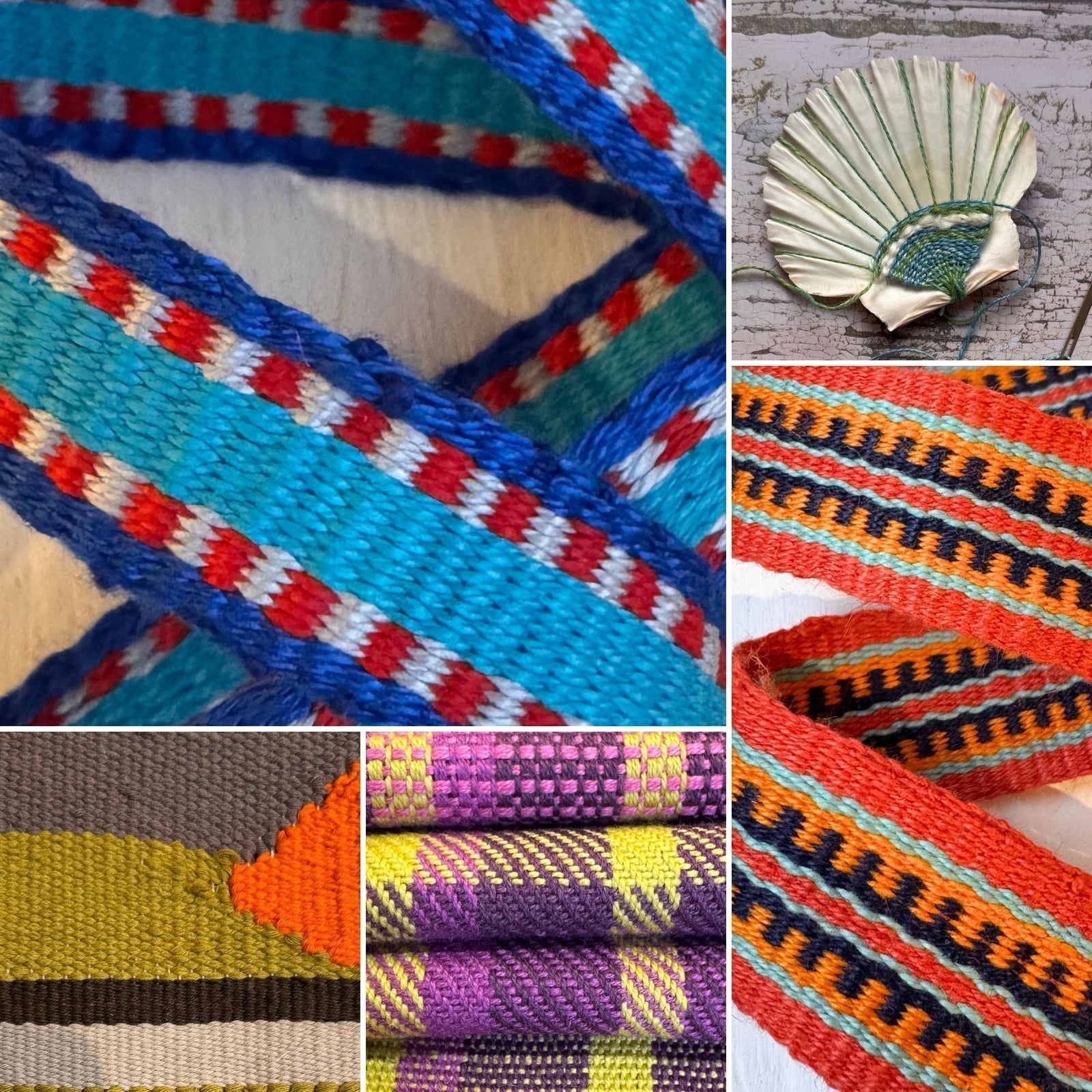
As we look back on the past year of workshops, I’ve been reflecting on the extraordinary range of work created by students — each piece shaped by different hands, fibres and intentions. This blog is both a look back at what’s been made in our workshops over the last year, and a practical guide for anyone wondering which type of weaving might be right for them as we head into a new year of workshops.
All of our in-person workshops are suitable for complete beginners, and those with a little experience looking for a refresher.
Table Loom Weaving
Structured cloth, depth of learning, strong foundations
Table loom weaving is the most technical workshop I teach, and it’s where many people really begin to understand how woven fabric works.
What’s covered
Over two days, you’ll learn how to:
-
plan a warp (yarn choices, sett, width and colour)
-
dress a loom step by step
-
weave using four shafts
-
understand pattern structure, tension and pattern
-
finish your woven piece and understand how it behaves
We work on Louët Erica 4-shaft table looms, using Ashford yarn stands and yarns from Venne (organic cotton and cottolin), alongside Tencel yarns from Maurice Brassard, chosen for their strength, drape and lower environmental impact.
What people make
Table loom weaving produces cloth suitable for wearable or functional projects — samples, scarves and fabric panels that can be built on for future projects.

Who it suits
This workshop suits people who:
-
enjoy understanding process and structure
-
want to make usable fabric
-
are happy taking things step by step
-
want skills they can continue developing long-term
Inkle Loom Weaving
Patterned bands, portable weaving, immediate results
Inkle weaving is a focused one-day workshop and a brilliant introduction to patterned weaving without the complexity of larger looms.
What’s covered
You’ll learn how to:
-
warp an inkle loom
-
plan colour and pattern
-
weave narrow bands that sit flat and wear well
-
manage tension and selvedges
We use Ashford inkle looms, Ashford yarn stands, and Venne organic cotton and cottolin yarns.
What people make
Narrow woven bands — belts, bag straps, trims and decorative pieces, each with strong pattern and colour.

Who it suits
Ideal if you:
-
want a satisfying introduction in a single day
-
love colour and pattern
-
want something portable to continue at home
-
like the idea of weaving practical cloth
Frame Loom Weaving
Texture, play, material exploration
Frame loom weaving is a one-day workshop focused on texture, fibre and experimentation.
What’s covered
You’ll learn how to:
-
warp a frame loom
-
work with varied yarn weights
-
build texture and surface
-
experiment with colour and materials
We work on our Elka frame looms, using a wide range of materials:
from naturally dyed linen, banana yarn, second-hand yarns, embroidery threads sourced from car boot sales and eBay, and fibres from DHG (Italy) including linen, hemp, viscose and banana fibre.
What people make
Textural woven artworks — wall pieces and expressive panels that celebrate fibre and surface.

Who it suits
Perfect for people who:
-
enjoy tactile, intuitive making
-
like experimenting rather than following patterns
-
are drawn to texture and fibre
-
want weaving to feel meditative and exploratory
Off-Loom Weaving
Nature-led, intuitive, sculptural
Off-loom weaving removes traditional equipment altogether and invites nature into the process.
What’s covered
The day begins with experimenting with colour and pattern on cardboard, before moving on to weaving with natural forms in the afternoon.
Your “loom” might be:
-
a branch
-
driftwood
-
a stone
We work with recycled cotton yarns from Hooked (the same yarns used in our weaving starter kits), linen yarns, naturally dyed by mum, and a mix of fibres and yarns for wrapping and binding.
What people make
One-of-a-kind sculptural woven pieces, shaped by both material and maker.

Who it suits
This workshop is ideal if you:
-
want complete creative freedom
-
enjoy working with natural materials
-
are less interested in rules and more in intuition
-
want weaving to feel grounded and expressive
Looking Ahead to the Year Ahead
Seeing the work created across all four types of weaving over the past year has been a real reminder that no two weavers — or outcomes — are ever the same. Each workshop offers a different entry point into weaving, and each attracts people for different reasons.
With another year of workshops booked at Fisherton Mill, I’m really looking forward to seeing what the next set of looms, fibres and hands will create.
If you’re still unsure where to start, I’m always happy to help you choose — and whichever path you take, you’ll be supported every step of the way.