Cart 0

All Blog Posts

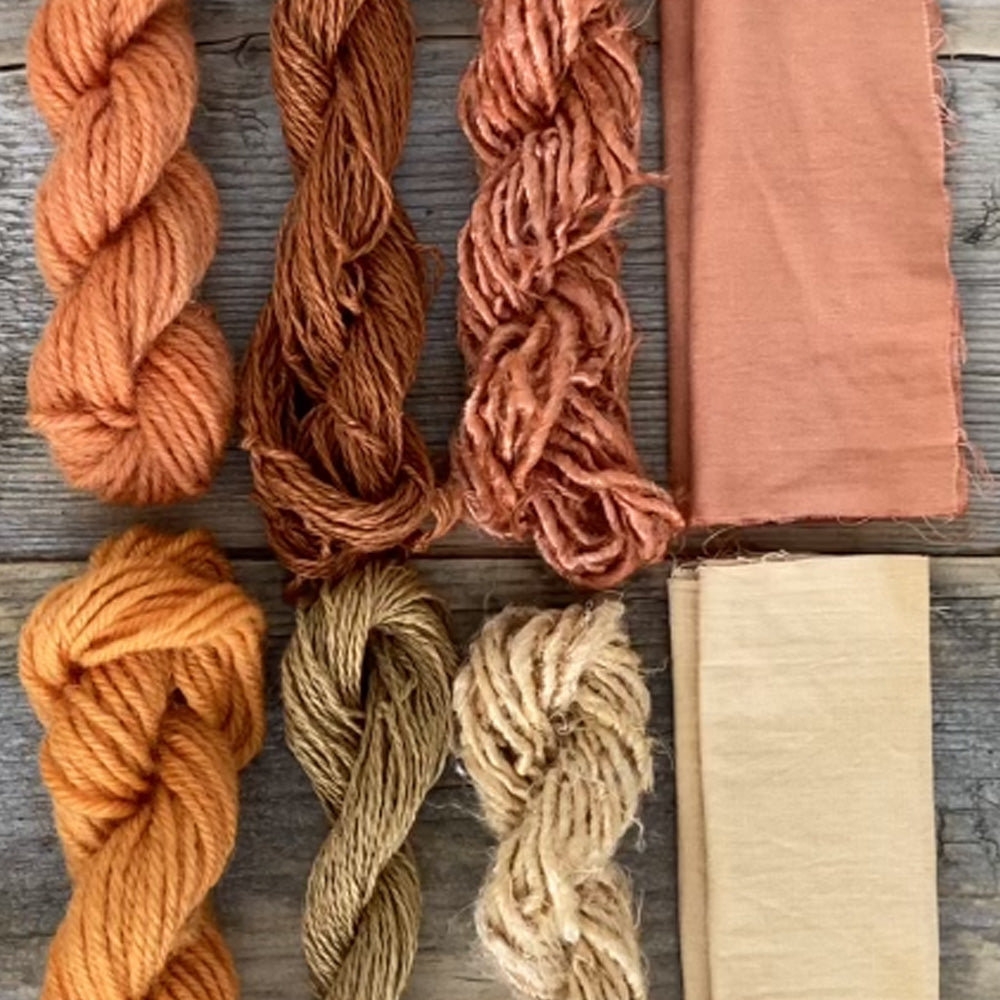
NATURAL DYEING WITH MADDER – Alkaline Extraction Method

Claudia Gosse Natural Dyeing Sustainable Textiles

Learn how to naturally dye with madder using the alkaline extraction method. Following on from my blog ‘Make the Most of Your Madder – Part 1’ (February 2023) I wanted to try the alkaline method of extracting madder dye, as explained in Jenny Dean’s book ‘Colours From Nature’.  For me Jenny Dean is the Delia Smith of natural dying; easy to follow and reliable with delicious results!

Read more →


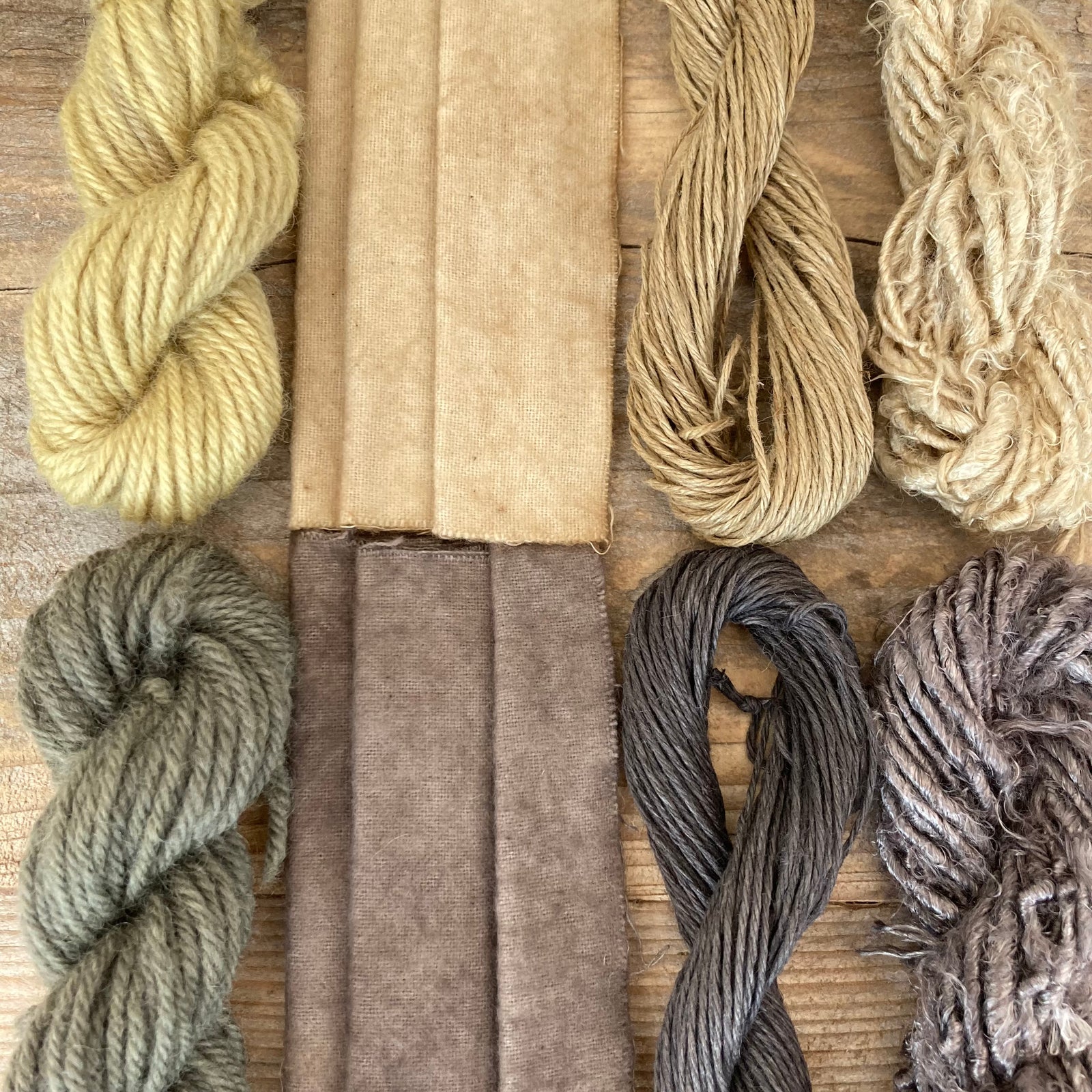
NATURAL DYEING WITH ACORNS

Claudia Gosse All Blog Posts Natural Dyeing Sustainable Textiles

Learn how to naturally dye with foraged acorns. This informative blog will give you a fascinating insight into the history of oak trees and how embedded they are in our culture. You will learn how to extract colour from acorns to use as a natural dye on both animal and plant fibres. From foraging and processing to dyeing and modifying to extend the colour range.

Read more →


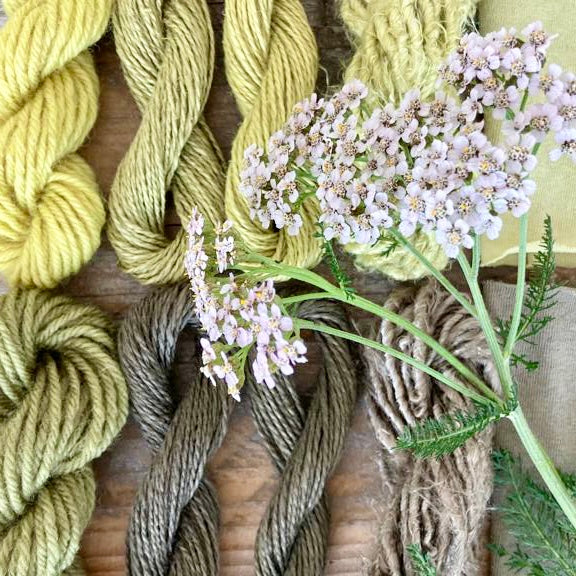
NATURAL DYEING WITH YARROW (Achillea millefolium)

Claudia Gosse Natural Dyeing Sustainable Textiles

Learn how to naturally dye with foraged yarrow. This informative blog will give you a brief history of yarrow and its uses, both culinary and medicinal, and show you how to extract it's colour for use as a natural dye on both animal and plant fibres. From foraging and processing to dyeing and modifying to extend the colour range.

Read more →


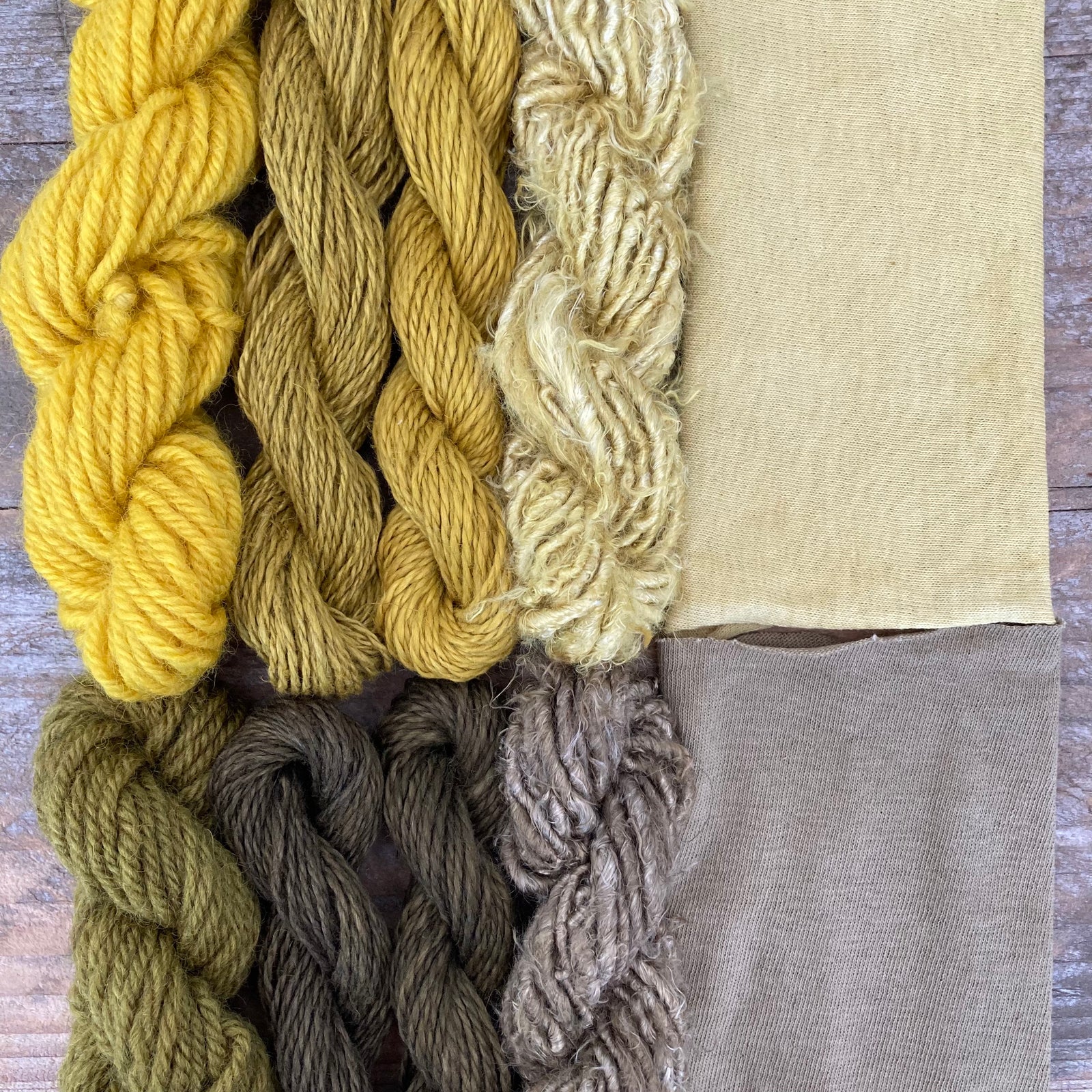
NATURAL DYEING WITH GOLDEN ROD (Solidago)

Claudia Gosse Natural Dyeing Sustainable Textiles

Learn how to naturally dye with foraged goldenrod. This informative blog will give you a brief history of goldenrod and its uses, and show you how to extract it's colour for use as a natural dye on both animal and plant fibres. From foraging and processing to dyeing and modifying to extend the colour range.


Read more →


NATURALLY DYEING WITH DYER’S COREOPSIS (Coreopsis tinctoria)

Claudia Gosse All Blog Posts Natural Dyeing Sustainable Textiles

Coreopsis tinctoria is one of over 75 species in the family Asteraceae.   Originally native to the prairies of North America it is now cultivated world-wide and comes in a range of yellows and reds or, like Coreopsis tinctoria, yellow with red centres.   As the word ‘tinctoria’ indicates this is a recognised dye plant and although historical reference to it is limited, it is known to have been used as a source of natural dye by the plains tribes of North America.  It’s also thought to have been used by the early civilisations of Central and South America.  Sometimes called ‘tickseed’, a reference to its insect-like seeds, the plant was reportedly used in bedding to ward off bedbugs. 

Read more →

ENJOY 15% OFF site-wide when you join our monthly newsletter

Sign up for exclusive offers on products, online craft courses, in-person workshops, and all our latest news.